Phil Jackson didn’t just coach basketball. He coached human beings and built culture.
During Phil’s legendary run with the Chicago Bulls, Jackson led some of the most talented, and volatile, personalities in professional sports. Michael Jordan’s intensity, Scottie Pippen’s quiet leadership and Dennis Rodman’s impulsiveness. It could have become a course in collision of egos. Instead, it became one of the greatest dynasties in sports history.
I spent many formative years in Chicago in the 60’s, 70’s and 80’s. It was a great sports city! I was there for “Da Bears” Superbowl win in ’86 and lived through every moment of the Chicago Bulls dynasty (even though I was in Denver by then).
What made Jackson different wasn’t simply strategy. It was his understanding that performance is deeply connected to emotional balance, mental clarity, and human connection.
Jackson was heavily influenced by Native American philosophy and Eastern spiritual practices. Rather than creating a culture built entirely on pressure and control, he introduced rituals that grounded the team. He used meditation before games. And he encouraged mindfulness and breathing practices long before they became mainstream in leadership circles. At times, he incorporated moments of silence to help players center themselves emotionally before competition.
While many executives would have dismissed those practices as “soft.” Jackson understood they were strategic. He knew that a distracted mind cannot perform at its highest level.
One famous story involved Jackson giving players books tailored to their personalities and leadership challenges. Instead of forcing every athlete into the same mold, he sought to understand what each individual needed to grow. He coached the person, not just the player. And this philosophy transformed the culture of the team.
The Bulls weren’t successful simply because they had extraordinary talent. They became extraordinary because Jackson created an environment where individuals learned to trust each other, to regulate emotion under pressure, and align around a shared purpose bigger than themselves.
Modern leaders can learn a powerful lesson from this approach. In many organizations today, leaders focus relentlessly on metrics, deadlines, and productivity while ignoring the emotional climate of the team. Yet culture quietly shapes performance every single day:
- Anxiety impacts communication.
- Stress affects decision-making.
- Disconnection weakens collaboration.
As I share in my programs, the conversations leaders avoid today often become the culture problems they face tomorrow.
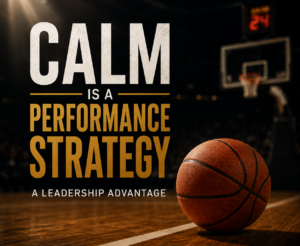
Phil Jackson understood something many leaders still miss: calm is a performance strategy.
Grounded leaders create grounded teams. When leaders foster psychological safety, emotional balance, trust, and clarity, people have the space to perform differently.
- They think more creatively.
- Communicate more openly.
- Collaborate more effectively.
Here’s the often-missed point, authentic leadership is not just about driving results. It’s about creating the conditions where people can perform at their best—especially under pressure.
These are the same performance principles and leadership strategies I share with organizations and leadership teams, because culture always impacts revenue and results.
(P.S. If you haven’t watched The Last Dance yet, it is a masterclass in leadership dynamics, culture, pressure, ego management, and performance psychology. Well, that and reliving the charisma, charm and determination of MJ.)
Continue Exploring Invisible Leadership Limits™:
>> The Leadership Advantage of Not Fitting In (Dave Letterman)
>> The Quiet Courage of Katharine Graham